Last updated on November 14th, 2026 at 12:08 pm
Most visitors travel in Egypt without problems, and a few habits make a trip safer and smoother: plan ahead, use trusted transport, respect local customs and keep up with official advice. This guide gives seven practical safety tips for Egypt from our local team. Security conditions can change, so always check your own government’s current travel advice before you go.
Check visa rules, vaccinations and the current travel advice from your government. Book transport and hotels with reviews, and keep digital and paper copies of your passport. See our Egypt entry visa guide and health and safety in Egypt.
Before you fly, buy travel insurance with medical cover, tell your bank you are travelling, and download offline maps and a ride-hailing app (Uber or Careem). Plan your days around the heat: most sites open early, and the best time to visit is from 7 to 11 am.
Hotel staff, licensed guides and tour operators can answer questions about local rules and fair prices. Ask before you accept unrequested help in markets.
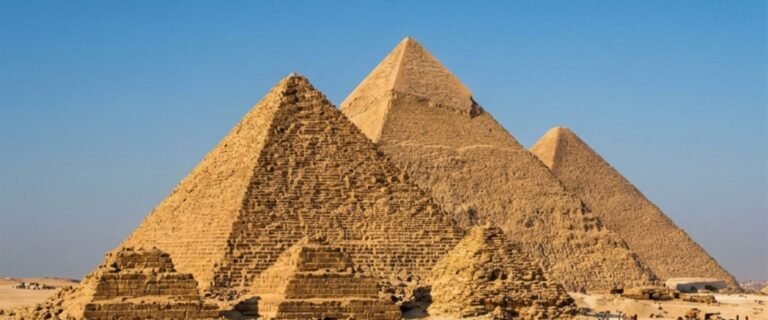
Locals are usually the best source of honest advice. Your hotel can tell you what a taxi to the pyramids should cost, which restaurants are good and which streets to avoid at night. Egyptians are famously hospitable; an invitation for tea is often just that. Learn a few words of Arabic, such as “shukran” (thank you) and “salam alaykum” (hello); see our Arabic greetings guide.
Dress modestly, especially in mosques and villages: cover your shoulders and knees. Ask before taking photos of people. Be polite when you bargain; see our haggling guide.
Public displays of affection, loud drinking and revealing clothes in town draw unwanted attention. Alcohol is sold in hotels, tourist restaurants and licensed shops, but drinking in the street is not acceptable. On Fridays, the main prayer day, some shops open late.
Follow official travel advice and local news. Some areas near borders or in remote deserts need permits or an escort, so book those trips with a licensed operator and carry your ID.
For most travellers, the places on a normal itinerary (Cairo, Giza, Luxor, Aswan, the Red Sea resorts and the main oases) are the ones considered safe. Desert trips to places such as the White Desert or Siwa need a licensed company, and some routes require permits and checkpoints, so keep your passport with you. Read the travel advice of your country again a week before you fly.
Use licensed taxis, ride-hailing apps or hotel transfers. Agree the fare before you start or use the meter. For night trips and desert drives, book through a company that gives you the driver’s details.
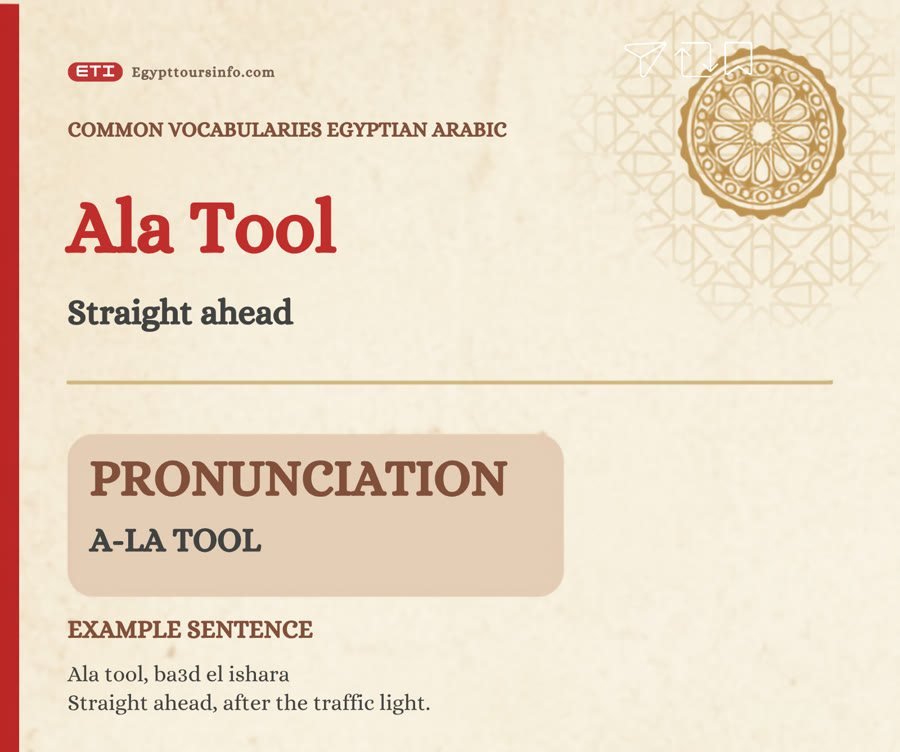
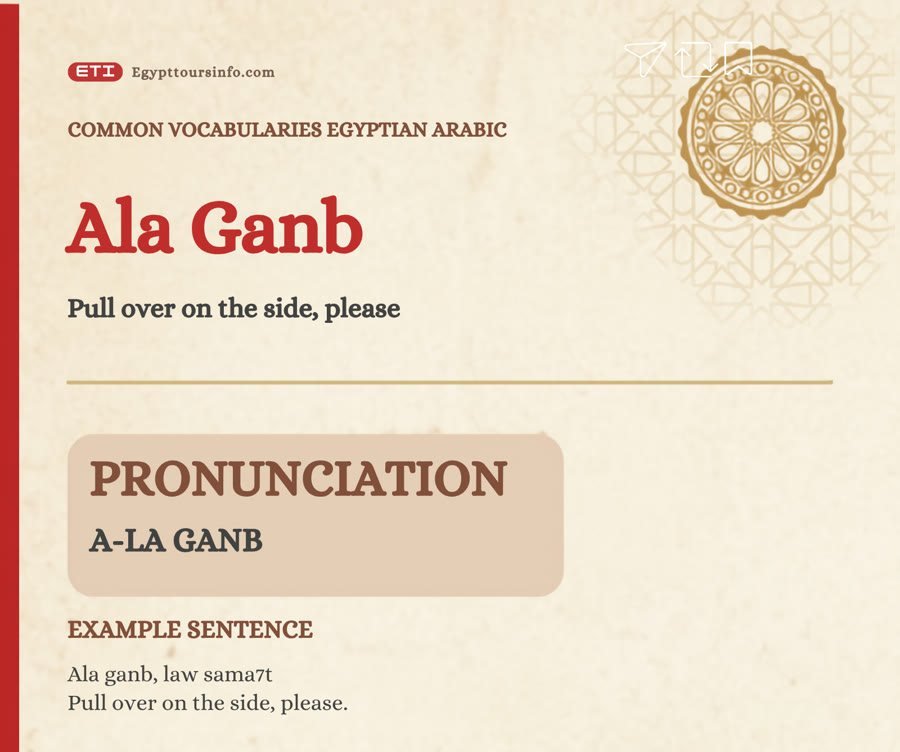
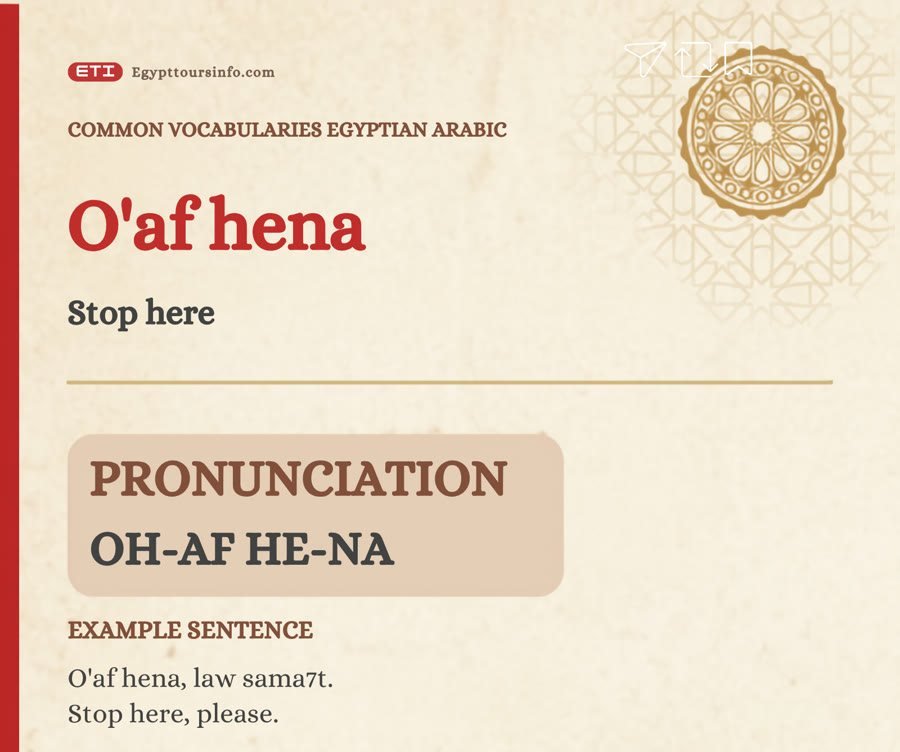
For long distances, domestic flights are quickest, and the Cairo to Luxor and Aswan sleeper train is comfortable. Long-distance coaches are cheap and reasonably safe; avoid self-driving, as road rules are loosely followed and night driving is risky.
Pick hotels with good recent reviews, working locks and a staffed front desk. Keep valuables in the safe and do not leave bags unattended.
Staying near the sights saves taxi rides: Giza for the pyramids, the East Bank in Luxor, the Corniche in Aswan. Read recent reviews for noise, water pressure and air conditioning, which matter more in Egypt than star ratings. Our hostel guides cover safe, well-reviewed budget stays.
Common signs of a scam are a stranger who insists a site is closed, an offer that is “free”, or pressure to decide quickly. Saying no is fine; you never have to explain.
If a situation feels wrong, leave politely and go to a public place. Keep your phone charged, carry a copy of your hotel address and save your embassy and the tourist police numbers.
| Risk | What to do |
|---|---|
| Over-charging | Agree prices first; use apps for taxis |
| Pushy sellers | A firm, friendly “la, shukran” and keep walking |
| Traffic | Cross with locals; be careful at night |
| Stomach upsets | Bottled water, busy restaurants |
| Heat | Start early, rest at midday, drink often |
For the full picture, read our health and safety guide and safety checklist.
Egypt rewards prepared travellers. Use licensed guides and trusted transport, keep copies of your documents and check official advice before each trip.
Book this experience: Giza Pyramids and Egyptian Museum Day Tour from $30.
Is Egypt safe for tourists?
Most visitors have trouble-free trips, but conditions can change. Check your government’s latest advice and use licensed operators.
Is it safe to take taxis?
Use ride-hailing apps, hotel taxis or agree the fare first.
Should I carry cash?
Carry small amounts and keep the rest in the hotel safe. Use ATMs inside banks or hotels where possible.
What should I wear?
Light clothes that cover shoulders and knees are respectful and also protect from the sun.
All rights reserved © Egypttoursinfo.com Republishing this article and/or any of its contents (text, photography, etc.), in whole or in part, is strictly prohibited.
Guided trips with bottled water, transfers and hotels arranged for you.