Last updated on November 14th, 2026 at 01:05 pm
Haggling is normal in Egyptian markets, souvenir shops and with taxis that have no meter. Done politely, it is part of the fun. This guide explains how to haggle in Egypt: the culture behind it, useful words, strategies for different places, body language, patience and mistakes to avoid. Prices are always negotiable only in markets and small shops, not in fixed-price stores, restaurants or supermarkets. For market ideas, see our Khan el-Khalili guide and shopping in Egypt guide.
Where you haggle and where you do not:
| Where | Haggle? | Tip |
|---|---|---|
| Bazaars and souvenir shops | Yes, always | Khan el-Khalili, the Aswan and Luxor souks |
| Taxis without a meter, calèches, feluccas | Yes, before you start | Or use a ride-hailing app with a fixed price |
| Camel and horse rides at Giza | Yes, and agree the time too | Pay at the end, not the start |
| Spice shops | Yes, per 100 g or per kilo | Ask the price by weight, not per bag |
| Restaurants, supermarkets, pharmacies, malls | No | Prices are fixed |
| Entry tickets to sites | No | Official prices only |
Only start haggling if you really mean to buy. Bargaining over something you do not want, then walking off after the seller has agreed, is considered rude.
Haggling in Egypt is a social exchange, not a fight. Sellers often start with a high price, expecting a conversation, and both sides want to end with a smile. Greeting the seller, asking about the product and showing real interest all help.
The first price is a starting point. Sellers watch how interested you are, so stay relaxed and do not show that you love an item before the price is agreed. A fair price is one that leaves you and the seller both comfortable.
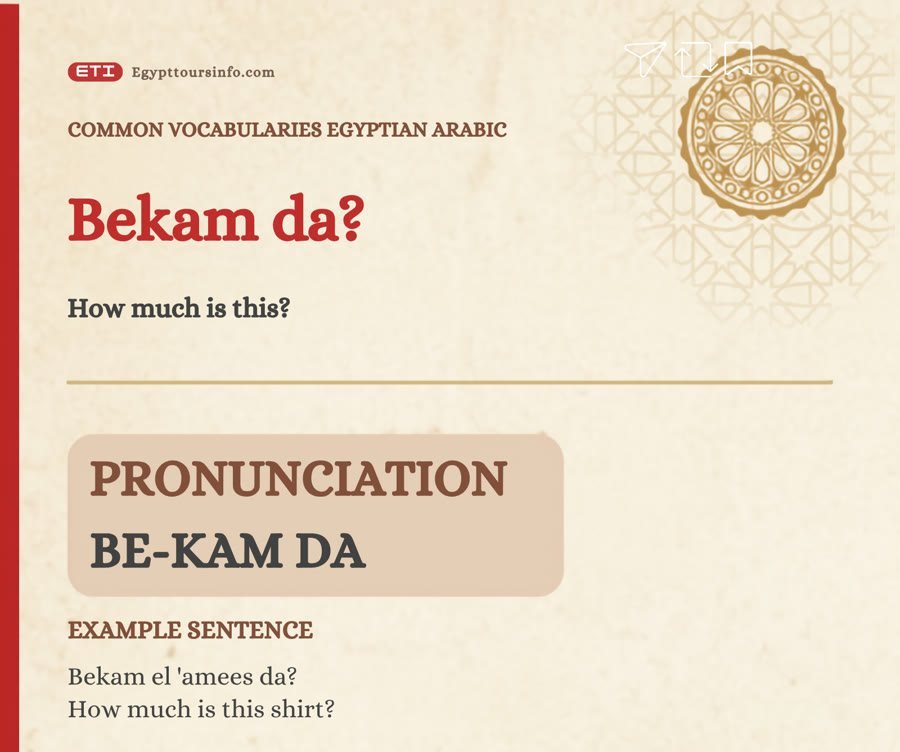
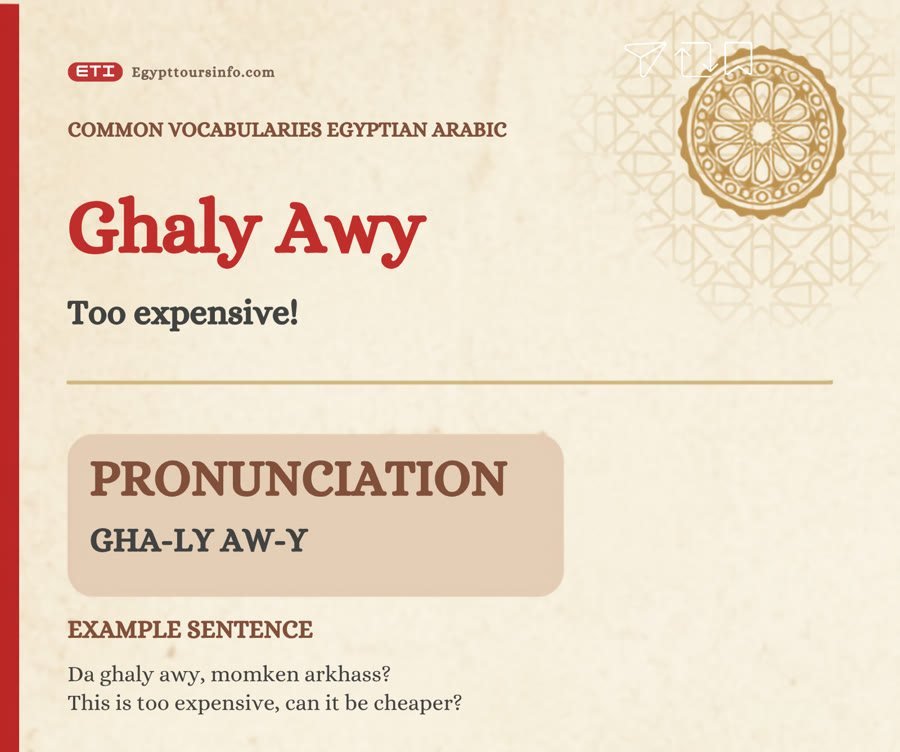
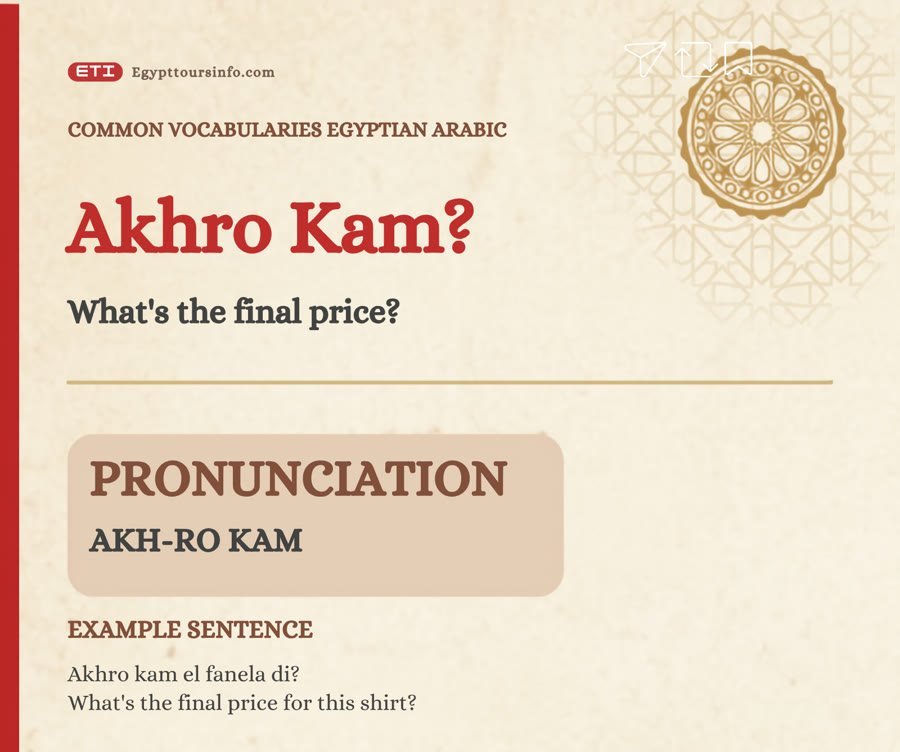
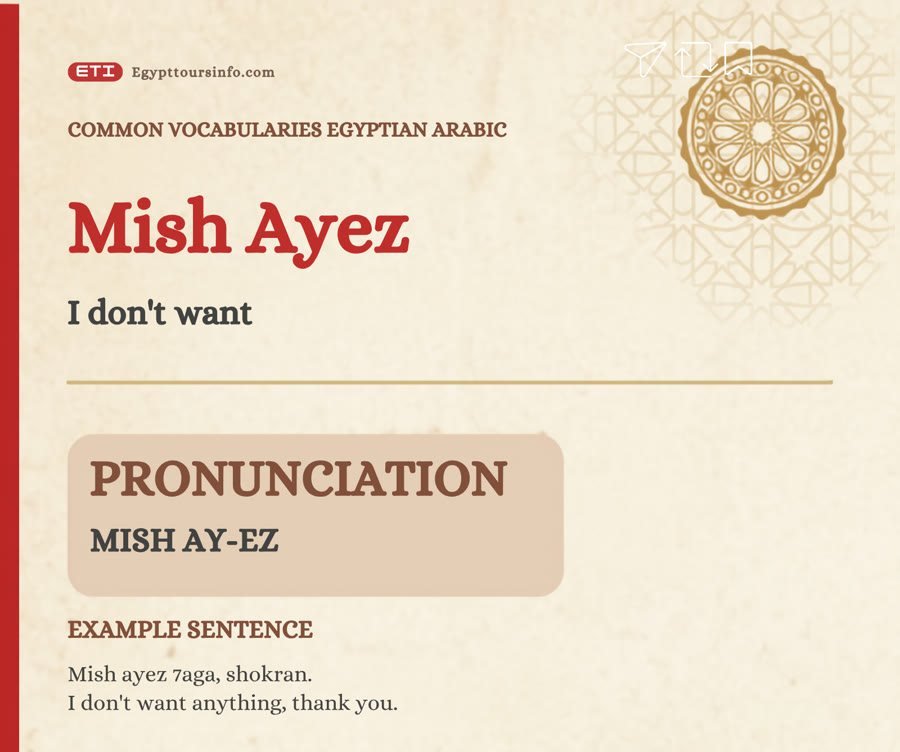
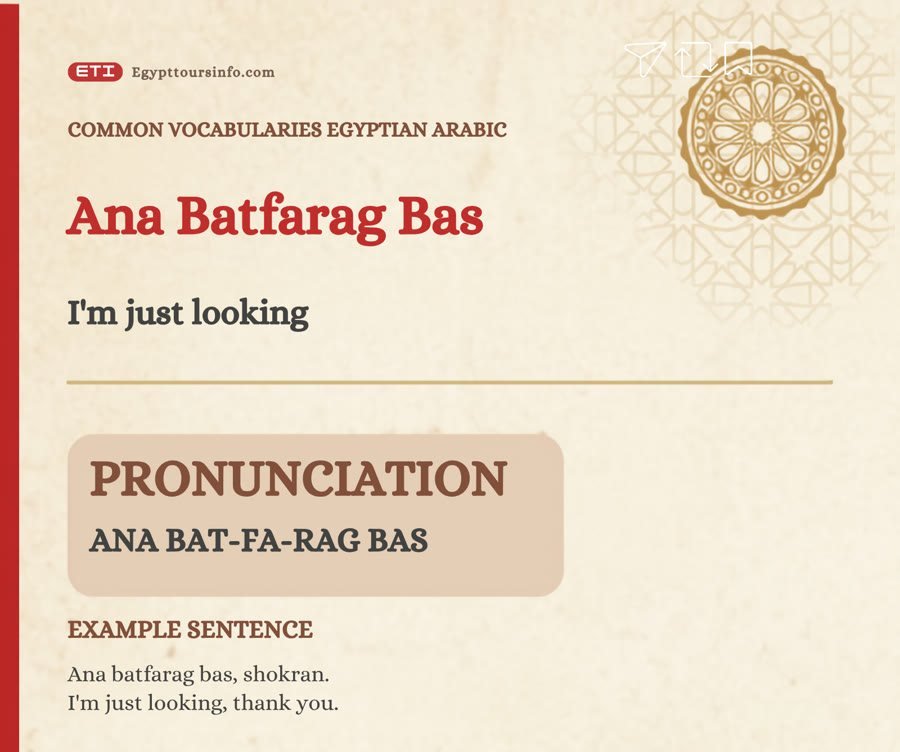
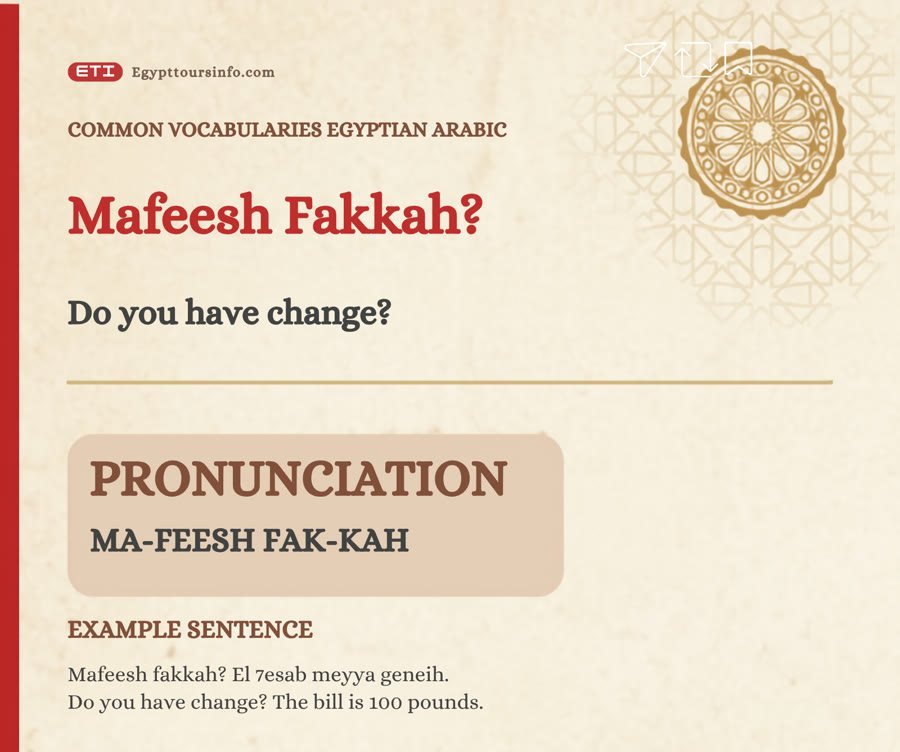
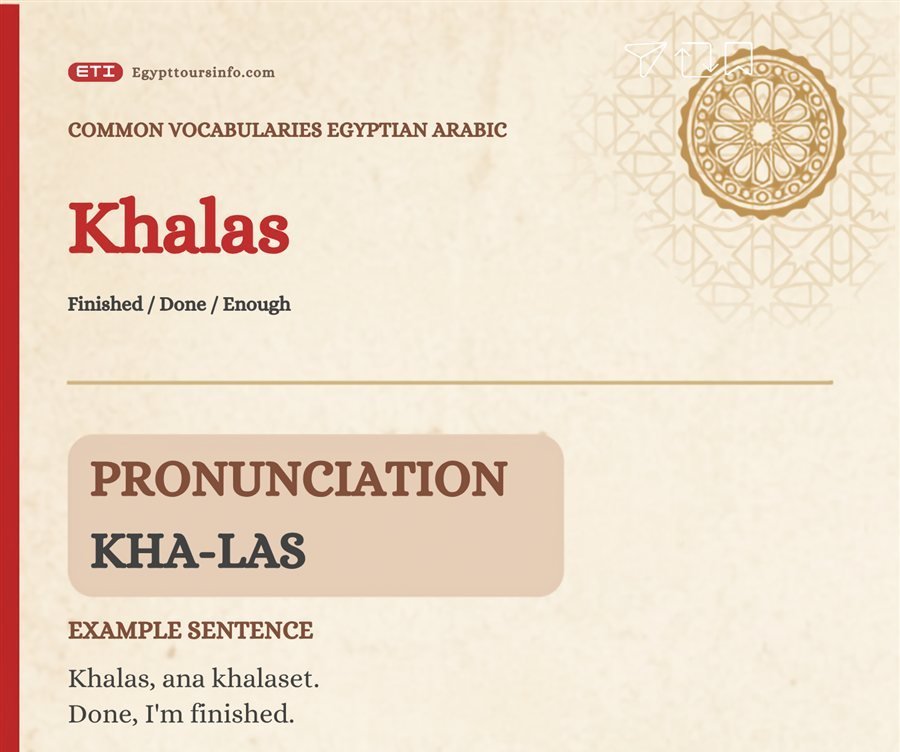
Many sellers speak English, but a few words in Arabic open smiles.
You can usually haggle in bazaars, with street sellers, for camel and horse rides, for felucca boats and with taxis that have no meter. Do not haggle in restaurants, supermarkets, pharmacies or shops with price tags. Agree the price before you accept a ride or a service.
A smile, calm voice and relaxed posture work better than pressure. Keep eye contact, stay patient and avoid raised voices. A gentle shake of the head and a friendly goodbye can end a conversation without conflict.
Patience is the best negotiating tool. Shops are used to a slow conversation over tea. You can say you want to think about it and return later. Rushing usually means a higher price.
| Arabic | Meaning |
|---|---|
| Bikam? | How much? |
| Ghali | Expensive |
| Ghali awi | Very expensive |
| Akhir kalam? | Your final price? |
| La, shukran | No, thank you |
| Mashi | OK, deal |
Haggling is for the price of goods and rides; tipping (baksheesh) is a small thank-you for a service, such as a guard who shows you a hidden corner of a tomb, a toilet attendant or a driver at the end of a day tour. Do not haggle over tips, but do not feel pressured either: give what feels fair, in small notes, and say “shukran”. In shops with commission guides, you can ask to browse alone; prices often drop when no one else needs a cut.
Haggle with a smile, know your limit and walk away if the price is wrong. Egyptian sellers respect a polite buyer, and you will usually get a better price and a good story.
Book a nearby tour: Giza Pyramids and Egyptian Museum Day Tour from $30.
All rights reserved © Egypttoursinfo.com Republishing this article and/or any of its contents (text, photography, etc.), in whole or in part, is strictly prohibited.
Guided trips with bottled water, transfers and hotels arranged for you.