Last updated on November 11th, 2026 at 08:18 pm
The top 10 things to do in Luxor are Karnak, Luxor Temple, the Luxor Museum and the Mummification Museum on the East Bank, and the Valley of the Kings, Valley of the Queens, Hatshepsut Temple, Medinet Habu and Dendera on the West Bank side, plus a sunrise balloon and a Nile sail. Plan 2 to 3 days, go between October and April and check tickets and hours locally.
Luxor splits in two. The East Bank, where the town is, has Karnak, Luxor Temple and the museums. The West Bank, across the Nile, has the royal tombs and the great mortuary temples. Two full days cover the highlights, and three let you add Dendera or a slower pace.
| Sight | Bank | Ticket, foreign adult (EGP) | Time |
|---|---|---|---|
| Karnak | East | 600 | 2 to 3 hours |
| Luxor Temple | East | 500 | 1 to 2 hours |
| Valley of the Kings | West | 750 for 3 tombs | 2 to 3 hours |
| Hatshepsut’s temple | West | 440 | 1 hour |
| Medinet Habu | West | 220 | 1 hour |
| Valley of the Queens | West | 220 | 1 hour |
Prices from the ministry’s list, checked October 2026. See all monument hours and ticket prices.
No other city has so much of ancient Egypt in one place. For about 500 years Thebes, as Luxor was called, was the religious capital of the richest empire of its time, and the pharaohs built their biggest temples and deepest tombs here. Today it is a small, walkable town on the Nile, which makes it easy to see a lot in a short stay.
Here are the ten best things to do, split between the East Bank and the West Bank. Allow a day for each bank. See also our full list of 15 experiences.
The East Bank has the big temples and two museums, all close to the Corniche.
The largest temple complex in Egypt, built over about 2,000 years. Start in the Great Hypostyle Hall with its 134 columns, then walk to Hatshepsut’s obelisk and the Sacred Lake. Go at 6 AM, when it opens. Read our Karnak guide.
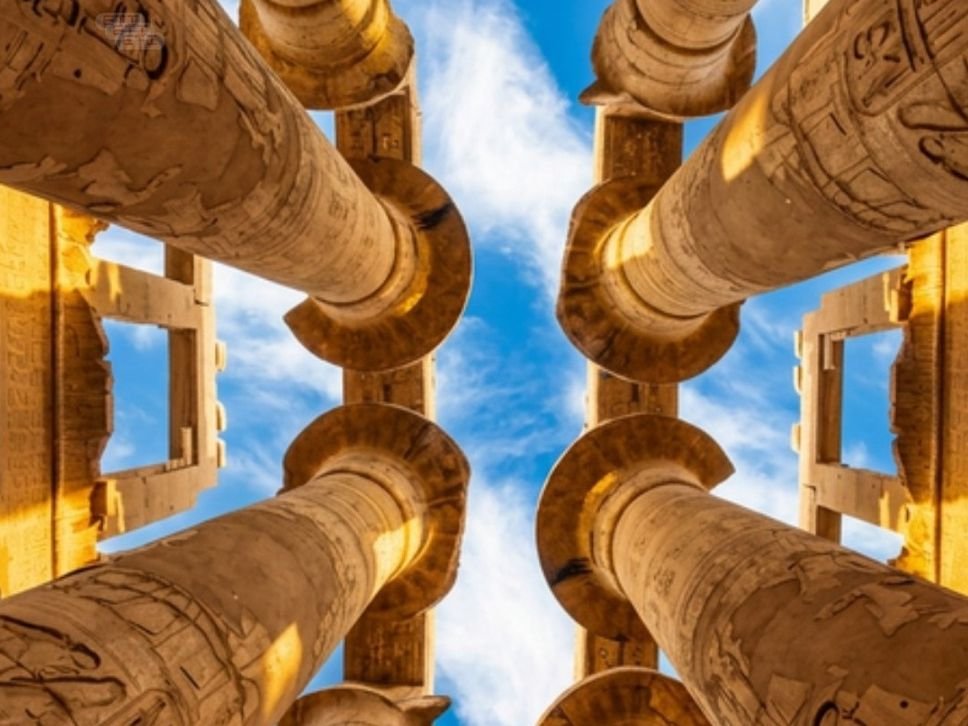
In the middle of town, and at its best after dark, when it is lit up and open until about 7 PM. Look for the Abu Haggag Mosque sitting on top of the ancient courtyard, and the single obelisk at the gate. Its twin stands in Paris. See our Luxor Temple guide.
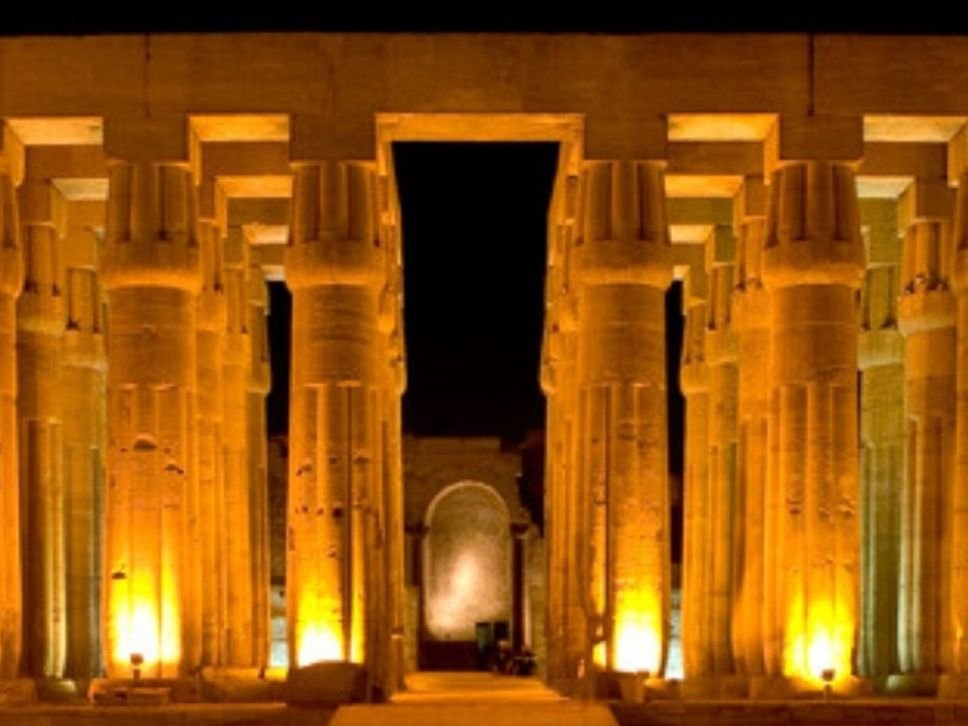
A small, well-lit museum on the Corniche with some of the finest statues in Egypt and a cache of statues found buried under Luxor Temple in 1989. It takes about an hour and is a good choice for a hot afternoon. Read our Luxor Museum guide.
A small museum on the Corniche that explains how mummies were made, with tools, mummified animals and clear displays. It is a short visit and works well with children. Check the opening hours locally, since they can change.
The royal tombs and mortuary temples. Start early because it is hot and open-air.
The royal burial ground, with more than 60 tombs cut into the hills. The basic ticket covers three tombs, and some, including Tutankhamun’s, need an extra ticket. The colours inside are the reason to come. Arrive at opening and choose your tombs before you go with our Valley of the Kings guide.
The burial place of queens and royal children. The tomb of Nefertari, often called the most beautiful in Egypt, has its own extra ticket and limited time inside. The other tombs are smaller but much quieter. See our Valley of the Queens guide.
A terraced temple built into the cliffs for the female pharaoh Hatshepsut. It is striking from a distance, and the reliefs of her trade trip to the Land of Punt are worth finding. There is little shade, so go early. Read about the Temple of Hatshepsut.
The mortuary temple of Ramesses III, and many guides’ favourite on the West Bank. The carvings are deep and some of the colour survives on the ceilings. It is usually quieter than the Valley of the Kings. See our Medinet Habu guide.
The Temple of Hathor, about 60 km north, with its roof, crypts and recently cleaned blue ceilings. It makes a good half-day trip, often combined with Abydos. See our Dendera Temple guide.
Balloons lift off from the West Bank at dawn and float over the temples, fields and the Nile for about 45 minutes. Flights depend on the wind, so keep a spare morning. See our Luxor balloon guide.
A felucca at sunset is the most relaxing hour you can spend in Luxor. Watch the sun go down behind the Theban hills, where the royal tombs are. For more days on the river, a Nile cruise to Aswan starts here.
Thebes rose to power around 2000 BC and was Egypt’s religious capital through the New Kingdom, from about 1550 to 1070 BC, when most of the famous temples and tombs were built. Its god Amun became king of the gods, and his temple at Karnak grew richer than any other.
Luxor is in southern Egypt, on the Nile about 650 km south of Cairo and about 220 km north of Aswan.
One day lets you see Karnak and either the Valley of the Kings or Luxor Temple, but you will rush. Two days are much better: one for each bank. Our day trip from Cairo guide shows what fits into one day.
October to April is the most comfortable time. Summer is very hot, so plan sightseeing at dawn and after 4 PM. See when to visit Luxor.
Two to three nights. Stay on the East Bank for restaurants and the Corniche, or on the West Bank for quiet and early access to the tombs.
Two full days for the main sights, three to add Dendera or a balloon flight.
The East Bank centre is, between Luxor Temple and the Corniche. Use a taxi for Karnak in the heat and for the West Bank.
Karnak and the Valley of the Kings, followed by Luxor Temple at night.
No. His tomb needs an extra ticket.
Spend a day on each bank, start early, and add a sunrise balloon or Dendera if you have time.
Book this experience: Luxor East Bank tour: Karnak and Luxor Temple from $25, and the West Bank tour from $25.
A Day Trip to Luxor from Cairo: A Guide for First-Time Visitors
All rights reserved © Egypttoursinfo.com Republishing this article and/or any of its contents (text, photography, etc.), in whole or in part, is strictly prohibited.
Guided trips with bottled water, transfers and hotels arranged for you.